
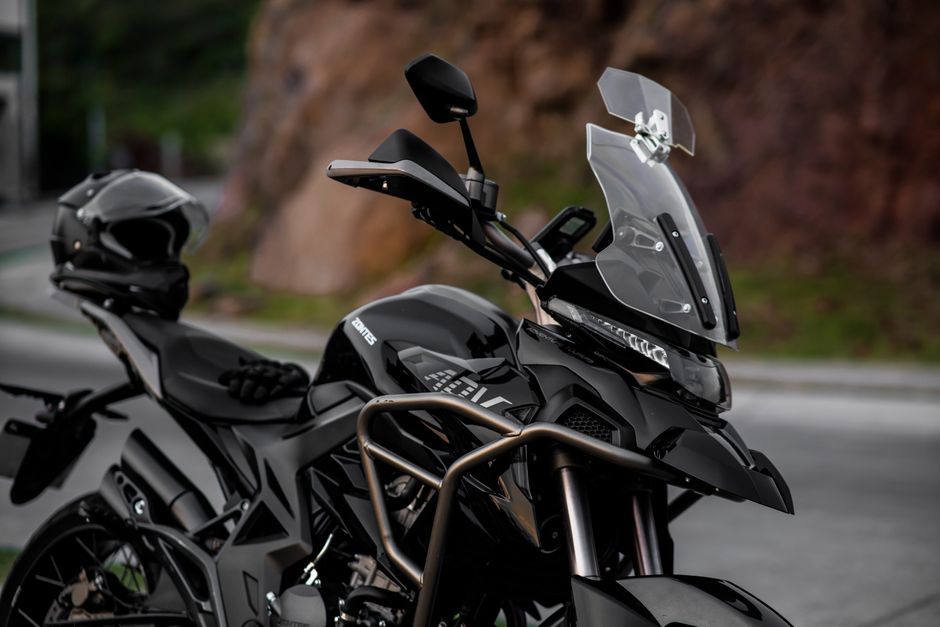
To Wrap or Not to Wrap? The Ultimate Bike PPF Coating Guide
Why Bike PPF Coating Is the Smartest Way to Protect Your Ride
Bike PPF coating is a thin, transparent film applied to your bike's surface to protect the paint from scratches, stone chips, and road debris — without changing how it looks.
Quick answer: What does bike PPF coating do?
- Protects against physical damage — stone chips, scratches, scuffs, and trail debris
- Shields from environmental damage — UV rays, bug acid, bird droppings, and chemical stains
- Self-heals minor scratches — heat activates the film to restore its surface
- Preserves resale value — keeps original paint looking factory-fresh
- Adds almost no weight — a full bicycle kit can weigh as little as 35 grams
Here's a hard truth: motorcycles are three times more likely to experience paint damage than cars. Their exposed surfaces, proximity to the road, and lack of a protective body shell put every ride at risk. Whether you're commuting through city streets or pushing your superbike on the open road, your paint is under constant attack from gravel, grit, and the elements.
PPF was originally developed for the automotive industry, but it's now widely used on both bicycles and motorcycles — and for good reason. It's one of the few protection methods that creates an actual physical barrier between your paint and whatever the road throws at it.
At The Vinyl Frontier, we bring deep hands-on experience with vehicle wraps and paint protection solutions — including bike PPF coating — to riders and business owners who want their vehicles looking sharp for the long haul. If you're weighing your protection options, you're in the right place.
What is a Bike PPF Coating and How Does It Work?
Paint Protection Film (PPF) is a high-performance, thermoplastic polyurethane (TPU) film applied directly to the painted surfaces of your bicycle or motorcycle. Unlike temporary vinyl wraps or thin spray-on coatings, TPU is highly elastic, optically clear, and incredibly tough.When a rock or piece of road debris strikes a bike with a bike bold PPF coating, the polyurethane material stretches and absorbs the impact energy. Instead of the rock chipping through your paint, the film flexes and then returns to its original shape.
One of the most impressive features of modern TPU films is their built-in self-healing properties. The top layer of the film consists of a specialized elastomeric polymer. When this layer gets swirled or lightly scratched, applying heat—either from the sun, warm water, or a heat gun—causes the molecules to rearrange themselves back into their original, perfectly smooth configuration. It is essentially like magic, but backed by chemistry.
PPF thickness options typically range from 190 to 400 microns. Thicker films (closer to 400 microns) provide maximum scratch resistance and heavy-duty impact protection, while thinner options (around 150 to 210 microns) offer excellent flexibility for wrapping tight curves without adding bulk. Additionally, quality films are treated to block harmful UV radiation, preventing your underlying paint from fading or yellowing over time. To dive deeper into the science behind these advanced films, check out The Ultimate Guide to Paint Protection Film.
High-Impact Areas Protected by Bike PPF Coating
You do not necessarily have to wrap every single millimeter of your bike to get incredible value. Many riders choose to target high-impact areas that take the brunt of road and trail abuse.On a motorcycle, the absolute must-protect zones include:
- The Fuel Tank: Highly prone to scratches from your jacket zippers, belt buckles, and knees rubbing against the sides.
- Fairings and Fenders: These front-facing surfaces act as a shield against flying gravel, bugs, and road salt.
For bicycles (including mountain bikes, road bikes, and gravel bikes), the critical areas include:
- The Downtube: Constantly pelted by rocks thrown up by the front tire.
- Chainstays and Seatstays: Vulnerable to chain slap and heel rubs.
- Forks: Exposed to trailside branches and brush.
To make things easy, many riders opt for pre-cut kits. For example, a 13-Piece clear cycle PPF Kit for Bike Frame Protection – NAC is designed to cover the top tube, down tube, forks, seat tube, seat stays, chain stays, and steer tube, solving the annoying problem of cable rubbing.
Comparing Bike Protection Methods
When looking to shield your bike's paint, you will likely encounter several different options. Understanding how they stack up against each other is crucial to making the right investment.FeaturePaint Protection Film (PPF)Ceramic CoatingTraditional Wax / SealantsPhysical BarrierYes (Thick TPU layer)No (Liquid microscopic layer)No (Temporary barrier)
Stone Chip ProtectionExcellentNoneNone
Self-Healing CapabilitiesYes (With heat)NoNo
Hydrophobic PropertiesExcellent (With ceramic top coat)OutstandingModerate
Lifespan5 to 12 Years2 to 5 Years1 to 6 Months
Why Choose Bike PPF Coating Over Ceramic?
Many riders ask: Why not just get a ceramic coating?While ceramic coatings are fantastic for making your bike incredibly glossy and easy to clean, they do not offer physical impact resistance. A ceramic coating is essentially a microscopic layer of liquid glass that cures over your clear coat. It protects against light environmental factors like UV rays, bird droppings, and light chemical stains, but it will not stop a flying rock from chipping your paint.
A bike PPF coating acts as a true physical armor. If you ride on gravel trails or highways where road debris is common, PPF is the only option that will absorb physical impacts. For a deeper look at physical paint protection versus liquid sealants, read more in Beyond the Wash: Ultimate Guide to Automotive Paint Protection.
Can You Combine PPF and Ceramic Coatings?
You do not actually have to choose one over the other! In fact, the ultimate setup is combining them.Many premium modern PPFs come manufactured with a built-in, molecular-level ceramic top coat. This gives you the physical impact resistance of TPU combined with the intense hydrophobic properties and chemical resistance of ceramic. Water, mud, and road grime will bead up and slide right off, making your post-ride wash a breeze.
If your film does not have a built-in ceramic layer, you can professionally apply a ceramic coating directly over the PPF once it has fully cured. This keeps your film looking incredibly glossy and makes it highly resistant to staining. To learn how to maintain that showroom shine, check out our Guard Your Gloss: The Ultimate Guide to Car Color Protection.
Installation, Cost, and Maintenance of Bike PPF
Applying PPF is a highly detailed process. Because bike frames—especially motorcycles—feature tight curves, complex angles, and exposed components, installing the film requires patience and precision.While DIY kits exist, such as the Syncshield PROTECTION FILM for Bicycle BASIC SHEET (Recommended use: 1 piece per car) which is great for protecting high-wear areas like chainstays, a full professional installation ensures seamless alignment without unsightly bubbles or peeling edges. A professional installation on a road bike or complex motorcycle can take around 5 hours for an experienced installer.
The Cost of Professional Bike Bike PPF Application
The cost of applying PPF to a bike varies widely depending on the size of the bike, the complexity of its surfaces, and whether you are opting for a partial high-impact kit or a complete wrap.In the global market, professional installations typically break down as follows:
- Naked Bikes & Standard Motorcycles: Typically ranges from ₹10,000 to ₹30,000 (or local equivalent) due to fewer fairings but intricate frame details.
- Superbikes & Premium Cruisers: Ranges from ₹20,000 to ₹60,000 (or local equivalent) because of the massive surface area, complex fairings, and precision trimming required.
- Bicycles (MTB, Road, Gravel): Full custom wraps generally cost a fraction of motorcycle pricing but still reflect the hours of meticulous labor required to wrap thin, cylindrical carbon tubes.
For a detailed breakdown of what goes into professional clear bra and film installations, consult The Ultimate Clear Bra Installation Guide: Protect Your Assets.
How to Maintain and Clean Your Protected Bike
Once your bike PPF coating is installed, maintaining it is straightforward, but there are a few rules to keep it looking pristine:Respect the Curing Period: Do not wash your bike or expose it to heavy moisture for at least 24 to 48 hours after installation. The adhesive needs time to cure and lock onto the paint.
Use the Right Soap: Wash your bike using mild, pH-neutral PPF shampoos. Avoid harsh dish soaps or degreasers that can degrade the film's top coat.
Ditch the Scrub Brushes: Use soft microfiber towels to clean and dry the surfaces. Avoid abrasive sponges that can create micro-scratches.
Be Careful with Pressure Washers: If you use a pressure washer, keep the nozzle at least 12 inches away from the edges of the film. High-pressure water can lift the edges of the PPF.
For more tips on shielding your ride's exterior from the elements, check out Car Colour Protection: Because Your Vehicle Deserves a Better Sunscreen Than You.