
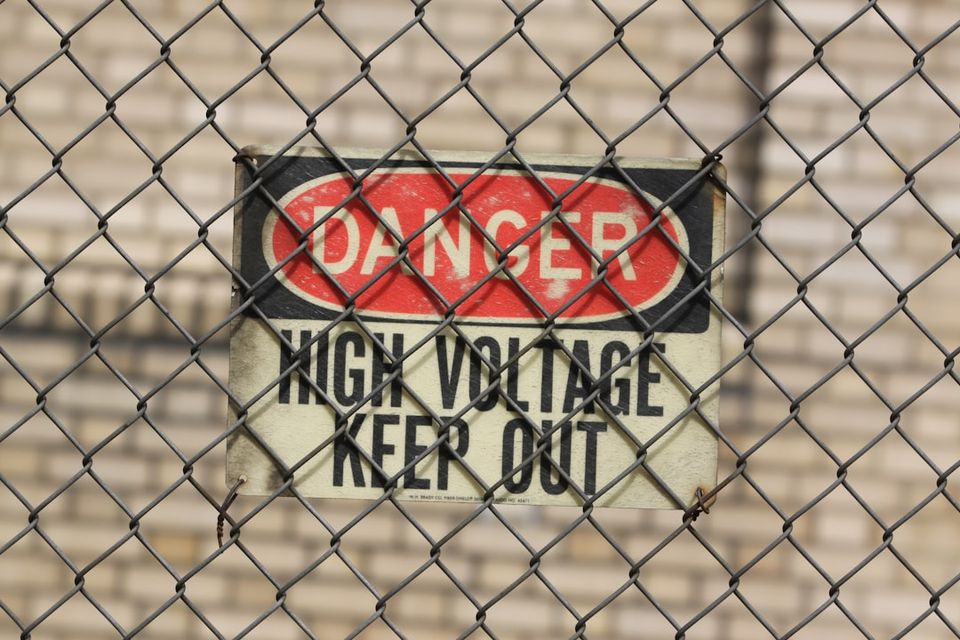
Sparking Awareness with Caution High Voltage Signs
Why Every Facility Needs to Understand Caution High Voltage Signs
A caution high voltage sign is one of the most important safety tools in any facility that works with electrical systems. These signs warn workers and visitors that dangerous electrical energy is present — and that getting too close without the right training or gear could be deadly.
Quick answer: What is a caution high voltage sign?
- A caution high voltage sign uses a yellow background, black text, and a lightning bolt symbol to signal a potential electrical hazard
- It is used when the risk is real but not immediately life-threatening — unlike a "Danger" sign, which signals an imminent threat
- NFPA 70E recommends shock hazard warnings for any exposed energized parts above 50 volts
- OSHA considers voltages above 600 volts as high voltage requiring specific warning signs
- These signs are required by OSHA 29 CFR 1910.303(g)(2) on electrical equipment to alert qualified personnel
Electrical accidents happen fast. The right sign in the right place can be the difference between a close call and a fatality. That's why understanding what these signs mean, where to put them, and what the law requires is so important.
At The Vinyl Frontier, we've helped businesses across industries get their custom signage right — including safety-critical applications like the caution high voltage sign — using durable, professionally produced materials built to last. We're here to help you do the same.
Understanding the Caution High Voltage Sign and Hazard Levels
Before we start slapping stickers on every metal box in the building, let's take a second to understand what makes a caution high voltage sign unique. In the safety world, colors and words aren't chosen because they look pretty. They are highly regulated tools designed to trigger instant psychological reactions.When a worker spots a safety sign, their brain should immediately register the level of risk. If you use the wrong sign for a hazard, you risk "warning fatigue," where workers start ignoring safety markers because they seem exaggerated. Conversely, under-warning can lead to catastrophic accidents. To build a solid foundation on general safety markers, check out our Detailed Guide to Safety Signs to see how different safety graphics work together.
Caution vs. Danger vs. Warning Signs
The American National Standards Institute (ANSI Z535) and the Occupational Safety and Health Administration (OSHA) divide electrical hazard signs into three distinct tiers: Caution, Warning, and Danger.Here is how you can easily tell them apart:
Signal WordBackground ColorRisk LevelAction/ConsequenceCAUTIONYellowLow to ModerateIndicates a potentially hazardous situation which, if not avoided, may result in minor or moderate injury.
WARNINGOrangeModerate to SevereIndicates a potentially hazardous situation which, if not avoided, could result in death or serious injury.
DANGERRedHigh / ImminentIndicates an imminently hazardous situation which, if not avoided, will result in death or serious injury.
A caution high voltage sign is typically used to warn of moderate risks, such as potential contact with energized components during maintenance, or to mark areas where only qualified, authorized personnel should enter.
If you are dealing with exposed, extremely high-voltage systems where a single touch means instant fatality, you must step up to a "Danger" header. For those high-risk scenarios, products like the Brady Danger High Voltage Sign are utilized to clearly communicate imminent threat levels.
Voltage Thresholds and Regulatory Standards
At what point does electricity become "high voltage"? The answer depends on which regulatory body you ask.- OSHA Standards: Historically, OSHA 29 CFR 1910.303 has defined high voltage as anything above 600 volts for general industry safety standards. When systems exceed this threshold, specialized high-voltage warning signs are strictly mandatory.
- NFPA 70E Guidelines: The National Fire Protection Association (NFPA) takes a much more conservative approach. NFPA 70E recommends shock hazard warnings and protective boundaries for all exposed energized parts operating at 50 volts or more.
Because even a standard 120V wall outlet can stop a human heart under the right conditions, many modern safety managers prefer to err on the side of caution. They install warning labels on systems operating well below the official 600V threshold. Utility companies and large industrial plants also follow localized utility guidelines, such as the SG 001 Substation High-Voltage Warning Signs specifications, to ensure substations and distribution centers are thoroughly marked.
Design Elements and Customization of Electrical Signs
A safety sign is only useful if it can be read and understood in a split second. That is why the design of a caution high voltage sign is highly standardized.Key Symbols on a Caution High Voltage Sign
According to international standards like ISO 7010 and ANSI Z535, a standard high-voltage caution sign must feature:The Signal Word Panel: The word "CAUTION" in bold, capital, black letters set against a solid yellow background.
The Safety Alert Symbol: An exclamation point inside a yellow triangle with a black border, signaling that personal safety is at stake.
The Electrical Hazard Symbol: A sharp, black lightning bolt inside a yellow triangle. This universal symbol instantly communicates "electricity" across language barriers.
Clear Text Message: Concise wording such as "HIGH VOLTAGE - KEEP OUT" or "HAZARDOUS VOLTAGE INSIDE."
If you are looking for design inspiration or want to see how these standard symbols are laid out globally, you can browse the Category:High-voltage signs - Wikimedia Commons archive. You can also find commercial layout examples by viewing 89038 Danger High Voltage Sign Images and Stock Photos or searching through the 78453 results for high voltage sign in all graphic libraries.
Customization and Bilingual Options
In today's diverse workplace, a one-size-fits-all sign does not always cut it. Customization is highly beneficial for several reasons:- Bilingual Signs: In areas with Spanish-speaking workers, installing bilingual (English/Spanish) signs ensures that everyone on the floor understands the hazard.
- Voltage-Specific Text: Instead of a generic "High Voltage" warning, you can customize the text to read "480 Volts," "13,200 Volts," or "Danger: 4160 Volts." This gives qualified electricians precise information about the exact hazard they are dealing with before they open a panel.
- Combined Messages: You can pair a high-voltage warning with other safety directives, such as "Lock Out Before Servicing" or "Proper PPE Required."
For a quick online look at pre-made safety sign templates, you can browse the SmartSign: High Voltage Signs store. However, for fully customized layouts tailored to your facility's exact voltages and local guidelines in Hanceville or Dodge City, working with a local custom sign shop is always your best bet.
Material Selection and Placement Guidelines
An electrical sign that falls off, fades to white, or cracks under the Southern heat is as good as no sign at all. Choosing the right material and putting it in the correct spot is critical for both safety and compliance.Choosing the Right Sign Materials
Depending on where your electrical equipment is located, you will need to choose a material that can withstand the local environment:- Self-Adhesive Vinyl Labels: Perfect for indoor electrical panels, control boxes, and smooth, clean surfaces. High-quality vinyl labels like the Caution High Voltage Label - Save 10% Instantly feature specialized adhesives that can stick to rough or powder-coated metals and handle temperatures from -20° to 176° F.
- Rigid Aluminum Signs: Ideal for outdoor fences, substation walls, and harsh industrial environments. Aluminum does not rust and stands up well to rain, wind, and intense UV rays. If your business is located in an area prone to vandalism or heavy wear, you might want to look into heavy-duty options like a Caution High Voltage - Vandal-Resistant Sign, which features a protective coating that resists spray paint, sharp objects, and weathering.
- Reflective Substrates: Essential for outdoor areas, dark hallways, or facilities where power outages could plunge workers into darkness. Reflective signs bounce flashlight and headlight beams right back to the viewer. To learn why this is a game-changer for your business, read our article on Glowing Places: Why Your Business Needs Reflective Safety Signs.
Placement of a Caution High Voltage Sign in Facilities
Where should you hang these signs? As a rule of thumb, high-voltage signs should be placed at the point of entry to the hazard and be clearly visible before a person gets close enough to touch anything.- Main Electrical Rooms: Mount large, rigid signs on the outside of entry doors. If only authorized personnel are allowed inside, make sure the sign clearly states "Authorized Personnel Only."
- Substations and Transformers: Secure heavy-duty aluminum signs to the exterior fencing or enclosure walls at eye level.
- Electrical Panels and Switchgear: Place self-adhesive labels directly on the front cover of the panel. If the hazard is inside, place a warning label on both the outside door and the inside dead-front panel.
- Testing Areas: If your facility has a dedicated electrical testing or calibration lab, post temporary or permanent warning signs at the boundaries of the test zone to warn passersby.
Frequently Asked Questions about Electrical Hazard Signage
Navigating OSHA codes and safety standards can feel like trying to untangle a box of old extension cords. To make things easier, we have answered some of the most common questions facility managers ask.What voltage requires a high voltage sign?
Under OSHA regulations, any electrical equipment operating at 600 volts or higher must be clearly marked with high-voltage warning signs. However, NFPA 70E standards state that any exposed, energized part operating at 50 volts or more presents a shock hazard. Therefore, it is highly recommended to place warning or caution labels on any equipment operating above 50 volts (such as 120V, 240V, and 480V panels) to protect your workers.Are high voltage signs required by OSHA?
Yes. OSHA standard 29 CFR 1910.303(g)(2) requires employers to guard live parts of electrical equipment operating at 50 volts or more against accidental contact. One of the primary ways to do this is by posting conspicuous warning signs that forbid unqualified persons from entering or working near the area. Failing to post these signs can result in hefty OSHA fines and increased liability in the event of an accident.How should facilities maintain and update their safety signs?
Safety signage is not a "set it and forget it" project. Over time, dust, grease, UV exposure, and physical wear can degrade your signs. You should:Conduct Annual Audits: Walk through your facility once a year to inspect every safety sign.
Clean Dirty Signs: Wipe down labels and aluminum signs with mild soap and water to ensure they remain legible.
Replace Damaged Signs: If a sign is faded, peeling, or cracked, replace it immediately.
Update During Upgrades: If you upgrade your electrical systems or change the voltage of a machine, make sure your signs are updated to reflect the new hazard levels.
For more tips on choosing and buying safety signs online, check out our guide on A Simple Guide to Buying Safety Signs Online for Your Business. And if you need to protect your overall property line, don't miss our breakdown on Property Patrol: What You Need to Know About No Trespassing Signs. If you are also managing gas or fire safety, you might find our resource on The ABCs of CO2 Fire Extinguisher Signs: A Comprehensive Guide helpful.